
In today’s world, where climate change and environmental conservation are at the forefront, making sustainable choices has become a priority. One such choice is buying a used car. While the car industry plays a significant role in modern convenience, it also contributes massively to environmental issues. Opting for a used car instead of a new one can significantly lessen this impact and offer a surprisingly eco-friendly solution.
Understanding the Environmental Impact of New Car Production
The production of new cars has a significant environmental impact through manufacturing emissions, energy consumption, and resource depletion.
Manufacturing Emissions and Energy Consumption
Manufacturing new vehicles requires substantial energy, primarily from fossil fuels. This process accounts for nearly 14% of global greenhouse gas emissions, resulting from energy use during production and the extensive supply chains involved.
Raw Material Extraction and Resource Depletion
Creating new cars necessitates various raw materials, such as steel, aluminum, and rare earth elements. Extracting these resources can cause habitat destruction, water pollution, and biodiversity loss, along with depleting vital natural resources.
Contribution to Global Carbon Footprint
The combined effects of manufacturing emissions and resource extraction significantly contribute to the global carbon footprint. Producing a typical car emits around 6 to 10 tons of CO2, exacerbating climate change. In contrast, buying used cars can mitigate these environmental impacts by reducing the need for new production and promoting sustainability.
Why Choosing a Used Car is Environmentally Friendly
Reduction in Manufacturing Demand
Opting for a used car directly reduces the demand for new vehicle production. This choice minimizes the need for resource extraction and manufacturing processes that contribute significantly to environmental degradation. By purchasing a pre-owned vehicle, consumers help lessen the strain on natural resources and reduce the environmental impact associated with producing new cars.
Minimization of Carbon Emissions
Buying used cars also plays a crucial role in minimizing carbon emissions. New car production involves substantial greenhouse gas emissions, contributing to climate change. In contrast, used cars have already been manufactured, meaning that their purchase does not require the same level of energy consumption and emissions. This shift toward used vehicles can significantly lower an individual’s overall carbon footprint.
The Concept of Automotive Life Cycle
Explaining the Life Cycle of a Car
The automotive life cycle encompasses all stages of a car’s existence, from raw material extraction and manufacturing to usage and eventual disposal. Each phase has its environmental implications, including energy use, emissions, and resource depletion. Understanding this life cycle helps consumers make informed decisions about vehicle ownership and its environmental impact.
How Extending a Car’s Life Reduces Environmental Waste
Extending a car’s life through regular maintenance and repairs significantly reduces environmental waste. By keeping vehicles on the road longer, we minimize the need for new manufacturing, which in turn lessens emissions and resource extraction. This approach not only supports sustainable practices but also contributes to reducing overall waste, making it an eco-friendly choice for consumers.
Saving Natural Resources with Used Cars
Conservation of Raw Materials (e.g., Metals, Plastics)
Choosing used cars helps conserve valuable raw materials such as metals and plastics. Manufacturing a new vehicle requires extensive amounts of these resources, which often leads to environmental degradation through mining and production processes. By purchasing pre-owned vehicles, we reduce the demand for new materials, contributing to the preservation of these vital resources.
Lower Dependency on Non-Renewable Resources
Used cars also help lower our dependency on non-renewable resources. New car production heavily relies on fossil fuels, both in manufacturing and throughout the supply chain. Opting for a used vehicle decreases the need for these resources, promoting a more sustainable approach to automotive ownership and reducing the overall environmental impact.
Lower Carbon Emissions with Used Cars
Carbon Emissions Saved by Avoiding New Car Production
One of the most significant benefits of buying used cars is the reduction in carbon emissions associated with new car production. Manufacturing a new vehicle generates substantial greenhouse gas emissions, contributing to climate change. By choosing a used car, consumers effectively avoid these emissions, leading to a more sustainable choice.
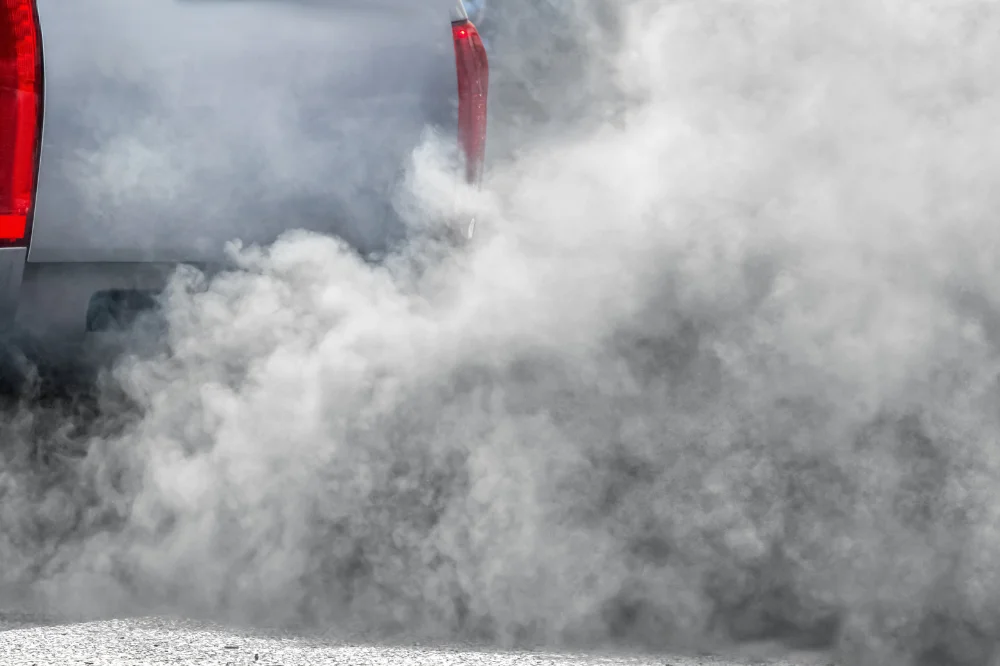
Statistics on Emission Reductions with Used Cars
Research indicates that purchasing a used car can save approximately 6 to 10 tons of CO2 emissions per vehicle compared to buying new. According to a study by the American Council for an Energy-Efficient Economy (ACEEE), extending the life of a vehicle by just five years can reduce carbon emissions by up to 1.1 billion tons annually. These statistics highlight the significant impact that choosing used cars can have on reducing overall carbon emissions and promoting environmental sustainability.
The Significance of “Carbon Debt” in New Cars
Understanding the Concept of Carbon Debt
Carbon debt refers to the total greenhouse gas emissions generated during the production, use, and disposal of a car. When a new vehicle is manufactured, it incurs a significant carbon debt due to the emissions produced during its lifecycle, from raw material extraction to manufacturing and transportation. This debt must be repaid through the vehicle’s operational lifespan, typically achieved by driving the car, which generates additional emissions.
How Used Cars Reduce Carbon Debt
Choosing a used car helps mitigate carbon debt since these vehicles have already “paid off” much of their production-related emissions. By extending the life of an existing vehicle instead of creating a new one, consumers can significantly reduce the overall carbon footprint associated with automotive transportation. This shift not only lessens new emissions but also promotes a more sustainable approach to car ownership, effectively lowering carbon debt in the long run.
Decreasing Toxic Waste with Used Cars
Less Hazardous Waste from the Production Process
The production of new cars generates considerable hazardous waste, including heavy metals, solvents, and other toxic materials that can harm the environment. By opting for used cars, consumers help decrease the demand for new manufacturing processes, subsequently reducing the amount of hazardous waste created. This reduction plays a vital role in promoting cleaner production practices and protecting ecosystems.
Reduction in Chemical Pollution
New car manufacturing often involves the use of harmful chemicals that can pollute air and water sources. By choosing used vehicles, consumers significantly diminish the chemical pollution associated with the production phase. This not only benefits the environment but also helps protect communities from exposure to toxic substances, leading to healthier living conditions and a more sustainable future.
Lessening the Demand for Landfills
Reduction in Automotive Waste
Choosing used cars plays a crucial role in reducing automotive waste. When consumers purchase pre-owned vehicles, they help decrease the overall number of cars entering landfills. Each new car produced contributes to waste from manufacturing, packaging, and end-of-life disposal. By opting for used vehicles, we can extend the lifespan of existing cars, significantly lowering the amount of waste generated and promoting more responsible consumption.
Positive Impact on Landfill Management
The reduction in automotive waste has a positive impact on landfill management. With fewer cars being discarded, landfill space is preserved, leading to better waste management practices. This reduction helps alleviate the pressure on landfills, allowing them to manage other waste types more effectively. Ultimately, supporting the used car market contributes to a more sustainable approach to waste management and environmental stewardship.
The Problem with Automotive Scrap
Challenges in Recycling Car Parts
Recycling automotive parts presents numerous challenges, including the complex materials used in modern vehicles and the lack of standardized recycling processes. Many components, such as electronics, plastics, and metals, require specialized handling and processing, which can be costly and time-consuming. As a result, a significant portion of automotive scrap ends up in landfills rather than being recycled.
 How Used Cars Help Mitigate Landfill Overflow
Purchasing used cars helps mitigate landfill overflow by reducing the need for new car production and the subsequent generation of automotive scrap. By extending the life of existing vehicles, consumers contribute to lessening the demand for new parts and materials, which in turn minimizes waste. Additionally, when used cars are eventually retired, they can still provide valuable parts for recycling, further decreasing the volume of scrap that would otherwise contribute to landfill overflow. This approach fosters a more sustainable cycle of automotive ownership and resource management.
Advantages for Local Economies and Sustainability
Supporting Local Businesses and Used Car Markets
Choosing to buy used cars has a positive impact on local economies by supporting small businesses and used car markets. When consumers purchase pre-owned vehicles from local dealerships or private sellers, they contribute to the economic vitality of their communities. This local spending helps create jobs, supports local services, and encourages sustainable business practices, ultimately benefiting the broader economy.
Strengthening the Circular Economy
The used car market plays a vital role in strengthening the circular economy, which emphasizes resource reuse and sustainability. By opting for used vehicles, consumers participate in a system where resources are kept in use for as long as possible, minimizing waste and environmental impact. This approach encourages manufacturers and businesses to adopt more sustainable practices, further promoting environmental stewardship.
Circular Economy and Car Resale
Understanding the Circular Economy
The circular economy is an economic model that aims to minimize waste and make the most of available resources. It focuses on extending the lifecycle of products, encouraging reuse, repair, and recycling. In the context of the automotive industry, this model promotes the resale of vehicles as a means to reduce the environmental impact associated with new car production and disposal.
How Reselling Contributes to Environmental Stability
Reselling cars contributes to environmental stability by keeping vehicles in circulation longer, thereby reducing the demand for new manufacturing. This process lessens the carbon emissions and resource consumption associated with producing new cars. Additionally, it encourages responsible consumption habits and helps maintain the value of existing resources, contributing to a more sustainable automotive ecosystem.
Cost-Effective Sustainability: Used Cars Save You Money
Financial Benefits of Buying Used
Buying used cars offers significant financial benefits compared to purchasing new vehicles. Used cars typically have a lower purchase price, reduced registration fees, and lower insurance costs. These savings can add up, allowing consumers to allocate their budgets to other important areas, such as maintenance or upgrades.
Long-Term Savings and Reduced Environmental Costs
In addition to immediate financial savings, used cars can lead to long-term savings. They depreciate at a slower rate than new cars, allowing buyers to retain more value over time. Furthermore, by choosing used vehicles, consumers help reduce the environmental costs associated with new car production, including emissions and resource depletion. This combination of financial and environmental benefits makes purchasing used cars a cost-effective choice for sustainability-minded consumers.
Reducing Air Pollution Through Fewer New Cars
Emissions from Manufacturing Plants
The production of new cars generates significant emissions, contributing to air pollution. Manufacturing plants release pollutants, including volatile organic compounds (VOCs), nitrogen oxides (NOx), and particulate matter, which can harm air quality and public health. By reducing the demand for new vehicles, we can lessen the emissions generated by these facilities, leading to cleaner air and a healthier environment.
Reducing Air Pollution by Driving Used Cars
Driving used cars also helps reduce air pollution. Since these vehicles are already on the road, their continued use means avoiding the emissions produced during the manufacturing of new cars. Additionally, many used cars now come equipped with improved fuel efficiency and lower emissions than older models, further minimizing their environmental impact. By choosing used vehicles, consumers contribute to better air quality and a more sustainable future.
How the Used Car Industry Encourages Recycling Innovations
Innovations in Automotive Recycling
The used car industry plays a pivotal role in encouraging innovations in automotive recycling. As demand for sustainable practices grows, businesses in this sector are exploring new methods for recycling and repurposing automotive materials. These innovations include advancements in the recovery of metals, plastics, and other components, which can significantly reduce waste and environmental impact.
The Role of Used Cars in Promoting Eco-Friendly Solutions
Used cars promote eco-friendly solutions by creating a market for recycled parts and materials. When consumers choose to buy used vehicles, they support a system that values resource recovery and sustainability. This encourages manufacturers to develop eco-friendly alternatives and implement more efficient recycling processes, further enhancing the environmental benefits associated with the used car market. By driving this demand, the used car industry fosters a culture of innovation and responsibility toward recycling and environmental conservation.
Conclusion
In conclusion, choosing to purchase a used car offers numerous environmental, economic, and social benefits. By reducing the demand for new car production, we can conserve valuable natural resources, minimize carbon emissions, and decrease hazardous waste. Additionally, supporting the used car market contributes to local economies and encourages sustainable practices, making it a smart choice for environmentally conscious consumers. As we strive for a more sustainable future, embracing the used car market not only helps protect our planet but also provides financial advantages for individuals and communities alike.
FAQs
1. Are used cars really better for the environment?
- Yes, they have a lower environmental impact by reducing the demand for new manufacturing and minimizing carbon emissions.
2. How much carbon can I save by purchasing a used car?
- Buying a used car can save about 6 to 10 tons of CO2 emissions compared to new vehicles.
3. Is the quality of a used car worth the environmental benefits?
- Yes, many used cars are reliable and well-maintained, providing both quality and environmental advantages.
4. What are the economic benefits of buying a used car?
- Used cars typically have lower purchase prices, reduced fees, and slower depreciation, offering better long-term value.
5. Can I still find environmentally friendly options among used cars?
- Yes, there are many eco-friendly used cars, including hybrids and fuel-efficient models, that minimize your carbon footprint.